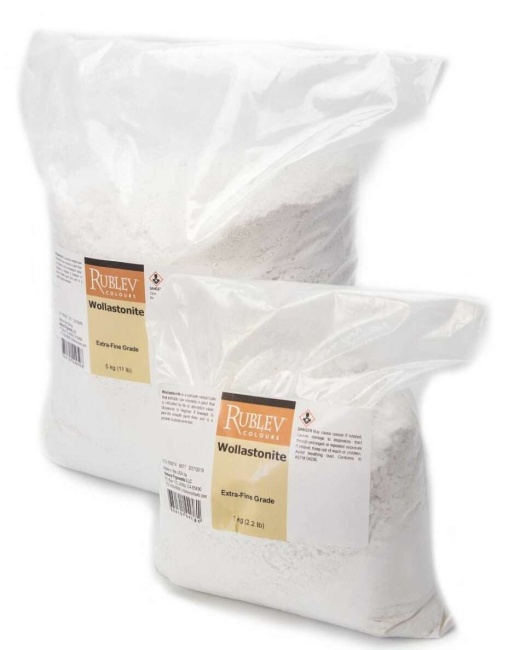
Introduction to Wollastonite
Wollastonite, a naturally occurring calcium metasilicate mineral (CaSiO3), is recognized for its remarkable qualities and diverse applications across multiple industries. Its formation occurs through high temperature and pressure changes in limestone or dolostone, which contributes to its unique acicular particle shape and impressive physical characteristics. This white powder mineral is widely used in the manufacturing of ceramics, paint fillers, plastics, and other formulations, making it an essential component in numerous industrial processes.
Enhanced Performance in Paints and Coatings
Wollastonite serves as an excellent extender pigment for various types of paints, including solvent-based, water-based, and powder coatings. Its low oil absorption characteristic allows manufacturers to reduce raw material costs by substituting traditional vehicles in paint formulations. The mineral also acts as a pH buffer, maintaining a desirable alkaline environment that helps prevent early rusting of water-based coatings. With its ability to improve tensile and flexural strength, wollastonite significantly enhances the durability and performance of the paint film, making it ideal for exterior applications.
Applications in Ceramics
In the ceramics industry, wollastonite's unique properties provide several advantages, including decreased shrinkage and gas evolution during firing, increased green and fired strength, and improved resistance to crazing, cracking, and glaze defects. The mineral’s acicular shape helps maintain brightness throughout the firing process, while its ability to speed up firing times promotes greater efficiency in production. Thus, incorporating wollastonite into ceramic manufacturing has become a widely adopted practice to enhance product quality.
Use in Metallurgy and Friction Products
Wollastonite is highly regarded in metallurgical applications, serving as a flux for welding, a source of calcium oxide, and a slag conditioner. Its qualities protect the surface of molten metal during processes such as continuous casting of steel. Moreover, this mineral is utilized in friction products like brakes and clutches, where its resistance to chemical attack and high-temperature stability improves product longevity and performance. While striving for environmentally friendly alternatives, wollastonite has emerged as a non-toxic substitute for asbestos in various applications, including floor tiles and insulating materials.
Sustainable and Eco-friendly Properties
Wollastonite has garnered attention for its eco-friendly characteristics. As industries continue to prioritize sustainability, this mineral serves as a suitable replacement for more harmful materials such as asbestos. Its inert nature, resistance to chemical attacks, and stability at elevated temperatures make it a highly desirable ingredient in formulations. Furthermore, with growing regulations on harmful substances, the demand for non-toxic alternatives like wollastonite in paints, plastics, and roofing products is expected to rise considerably.
Conclusion
Choosing wollastonite for your industrial needs presents numerous advantages, from enhancing product performance to offering cost-effective solutions. Its versatility and eco-friendly qualities position it as a go-to ingredient for a wide variety of applications, particularly in ceramics, paints, and plastics. By opting for wollastonite, you not only improve the quality of your products but also contribute to a sustainable future.